Different games, fair questions
We do not force minimalist puzzles and free-to-play arcade games into the same narrow checklist. Genre expectations shape each verdict.
We compared five very different mobile games on clarity, craft, friction, replay value, and value for money—then published the reasoning, not just a numbered list.
Editorial judgments are ours. Google Play ratings, review counts, prices, and download bands are store facts and can change.
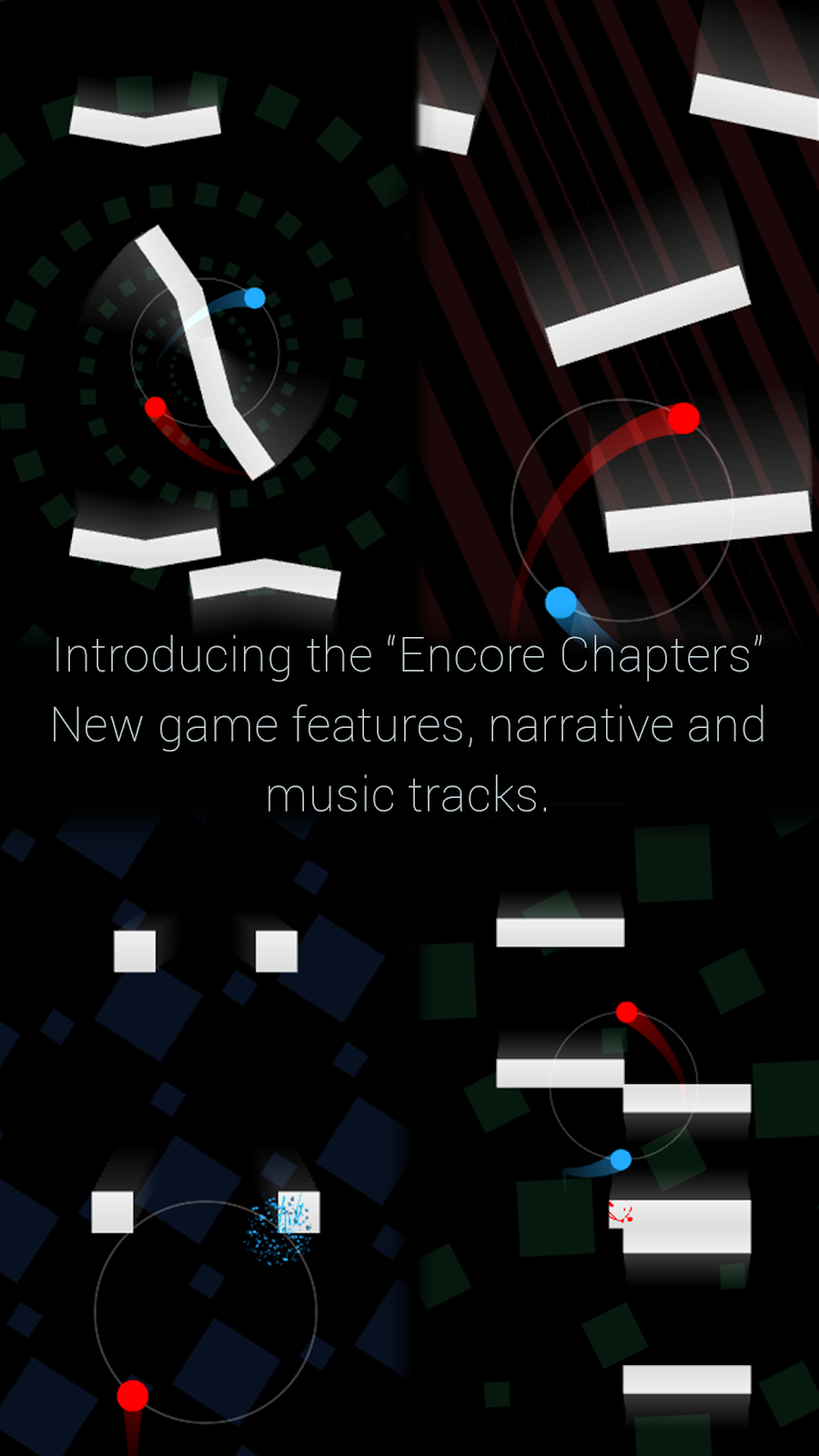 DESK PICK
We do not force minimalist puzzles and free-to-play arcade games into the same narrow checklist. Genre expectations shape each verdict.
Google Play ratings and download bands are shown as context. They do not automatically determine our independent order.
Our conclusions are editorial assessments based on mechanics, presentation, store materials, and product structure—not fabricated hands-on anecdotes.
Order: Duet, Zip Zap, Mr Bullet, Peggle Blast, then Stack Ball Blaster. Filter by the kind of session you want.

Our top choice for the cleanest union of rules, tension, audiovisual identity, and repeatable mastery. Its two-object control concept is immediately legible yet leaves room for demanding precision.
Editorial judgment: the strongest complete design in this group.


A restrained one-touch mechanical puzzler with a notably clear proposition. The paid upfront model and compact visual language make it the desk's strongest recommendation for players who prefer focus over layered progression systems.
Editorial judgment: elegant and unusually disciplined.


Its angle-and-ricochet premise makes solutions easy to grasp at a glance, while varied puzzle setups support short sessions. We place it below the top two because the broader mobile progression wrapper is less focused than their core designs.
Editorial judgment: accessible, readable, and broad.


The peg-clearing format still offers vivid feedback and easy-to-read cause and effect. We rank this edition fourth because its strong sensory appeal is counterbalanced by a comparatively weak current store rating.
Editorial judgment: lively fundamentals, mixed overall signal.
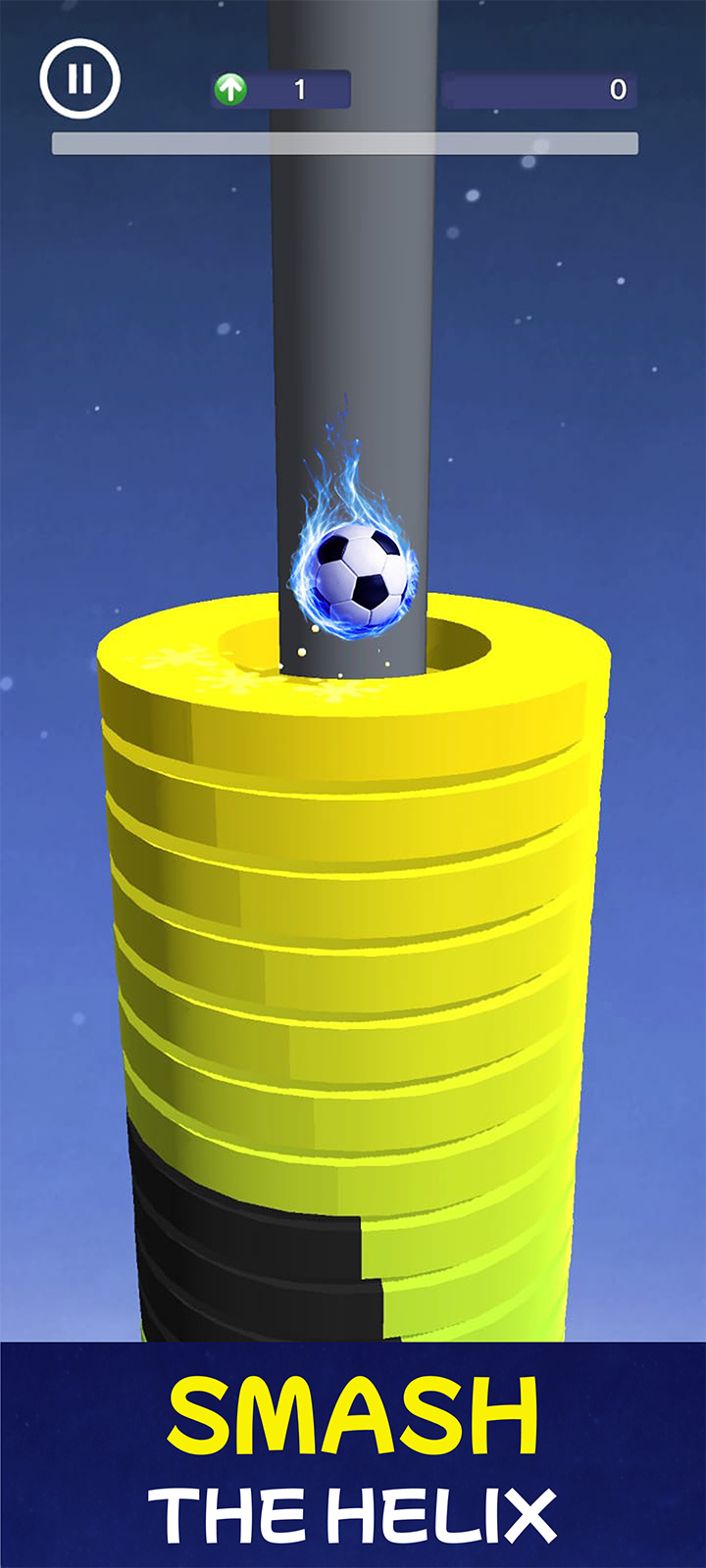

The descending helix format promises immediate arcade readability, but this listing currently has too little public store evidence for a confident recommendation beside established releases. Fifth is a confidence decision, not a claim that the game lacks merit.
Editorial judgment: potentially approachable, not yet well evidenced.
Our ranking is an editorial comparison, not a mathematical conversion of Google Play data.
How quickly the central action communicates itself and how coherently the game builds on that action.
Whether repeated sessions appear to reward learning, experimentation, or meaningful variation.
Readability, visual identity, and the quality of cause-and-effect communication visible in official materials.
How much the product structure may interrupt or complicate the central play loop.
What the listing appears to offer relative to its upfront price and model.
Ratings, reviews, price, and downloads inform confidence but are not included as a desk score.
No. Store ratings aggregate user sentiment under conditions we do not control. Our order uses the editorial criteria published above.
Reach and design focus answer different questions. We judge Zip Zap's restrained mechanics and direct premium proposition especially highly.
The listing has 100+ downloads and no visible rating, so public evidence is limited. The placement reflects lower confidence, not a categorical negative verdict.
Yes. Material product updates or stronger evidence can justify a reassessment. We would explain any editorial change.